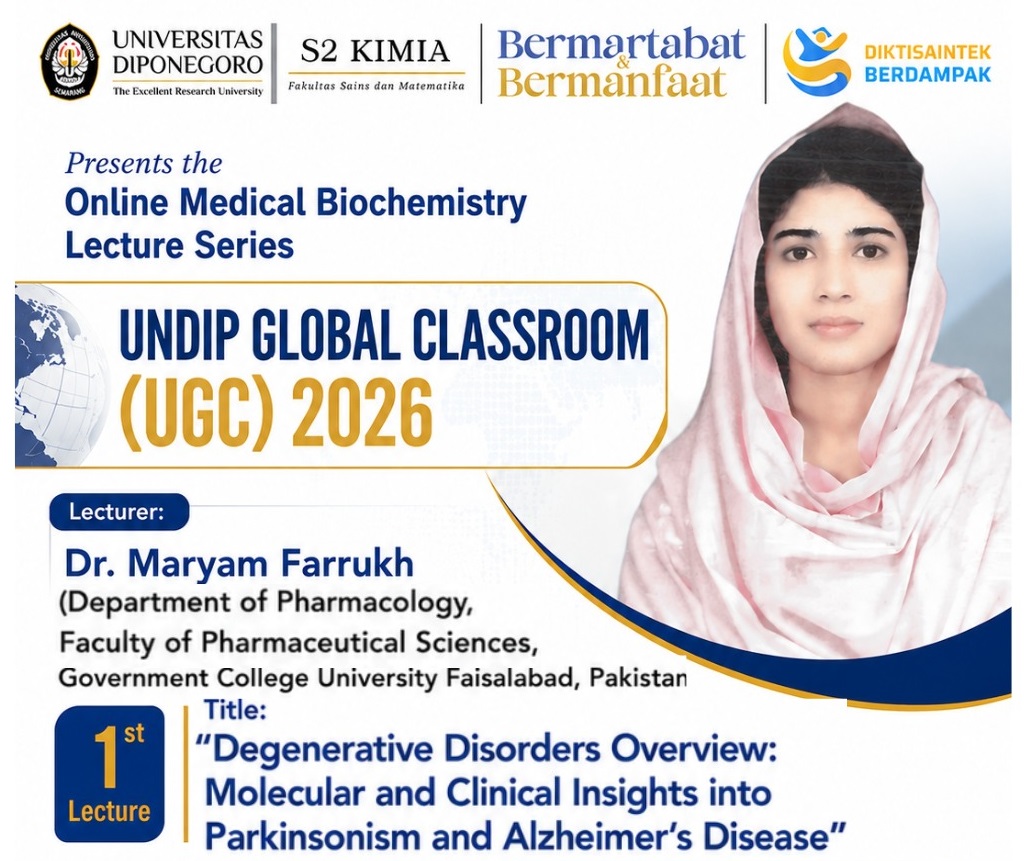
The Master’s Program in Chemistry, Faculty of Science and Mathematics (FSM), Universitas Diponegoro, successfully organized an international academic event through the Online Medical Biochemistry Lecture Series as part of the UNDIP Global Classroom (UGC) 2026 program. The event was conducted online via Zoom Meeting on Wednesday, 20 May 2026, at 4:00 PM WIB (UTC+7) and was attended by students, lecturers, and participants from various institutions.
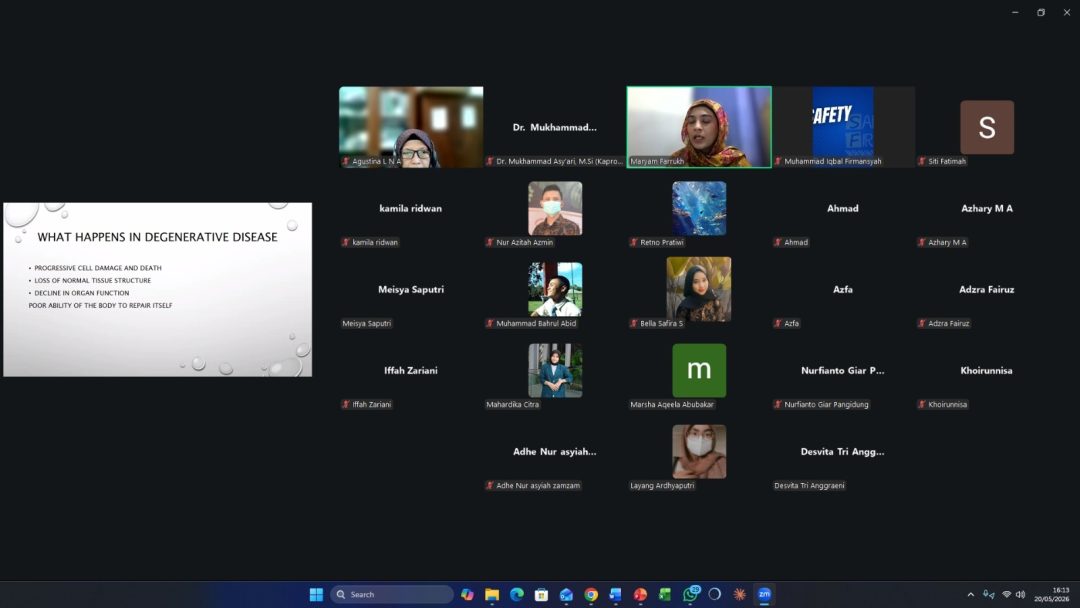
In this first lecture session, the Chemistry Master’s Program invited an international speaker, Dr. Maryam Farrukh from the Department of Pharmacology, Faculty of Pharmaceutical Sciences, Government College University Faisalabad, Pakistan. During the session, she delivered a lecture entitled:
“Degenerative Disorders Overview: Molecular and Clinical Insights into Parkinsonism and Alzheimer’s Disease.”
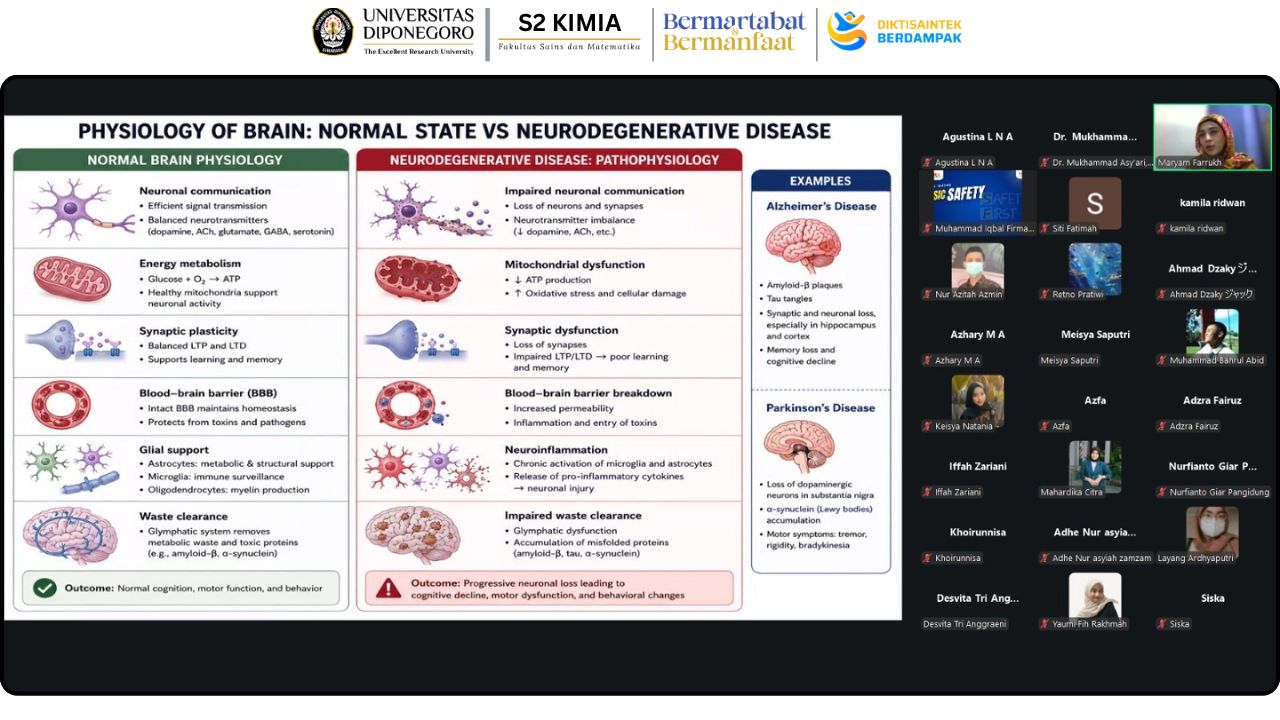
The lecture discussed various aspects of degenerative diseases, particularly Parkinsonism and Alzheimer’s disease, covering molecular mechanisms, causative factors, clinical progression, and current therapeutic challenges. Participants gained valuable insights into the relationship between biochemical changes in the body and neurodegenerative disorders affecting the human nervous system.
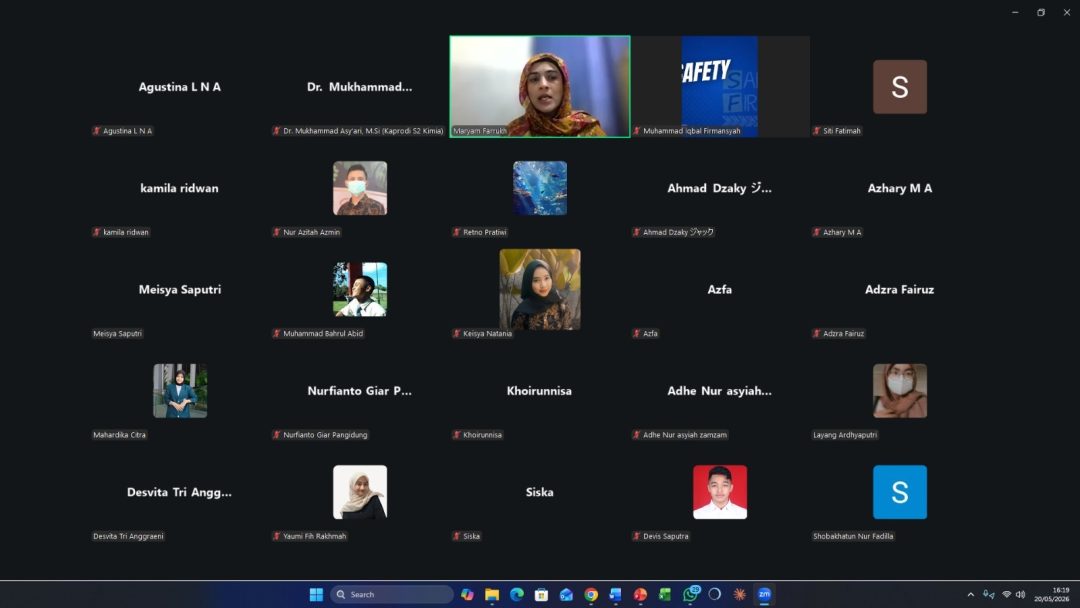
The lecture session was conducted interactively with enthusiastic participation from the audience. During the discussion and question-and-answer session, students actively explored current developments in biomedical and pharmacological research, especially in the field of neurodegenerative diseases. Besides enriching academic knowledge, this activity also served as a platform for strengthening international academic networking between Universitas Diponegoro and overseas institutions.
Through the UNDIP Global Classroom (UGC) 2026 program, the Master’s Program in Chemistry FSM UNDIP reaffirmed its commitment to providing internationally oriented education and supporting the development of students’ competencies in biomedical sciences and health-related chemistry.
This activity is expected to continue in the future as a medium for scientific exchange and the enhancement of global academic collaboration.